On most sprinkler projects, the water tank is specified last and questioned least, yet it underpins the entire system. Every head, pump and pipe run is engineered around one assumption: that the stored water will be there, in the volume and at the flow the design calls for. Fall short on the tank and the rest of the scheme cannot perform, however well it was drawn up. Get it wrong the other way and you have paid for capacity, steel and floor space the building never needed. The tank sits at the point where fire safety and budget meet, which is why the figure behind it deserves proper attention long before anyone looks at a product.
What Determines the Size of a Fire Sprinkler Tank?
Three factors decide how much water a sprinkler tank has to hold. The first is the hazard classification of the building, which sets how demanding the fire risk is. The second is system flow demand, or how much water the sprinklers need to deliver at once. The third is duration, the length of time the system must run at that flow before the fire service takes over.
The tank must store enough water to meet the required flow for the required time. Everything else is detail. Understanding these three drivers before you specify is what separates a tank that suits the system from one that must be reworked later. Our fire protection tanks are built to the pump suction standards these systems rely on.
How Hazard Classification Affects Sprinkler Tank Sizing
Hazard classification is the biggest single influence on sprinkler tank sizing. Under BS EN 12845, commercial sprinkler systems are grouped into light hazard, ordinary hazard and high hazard categories, based on what the building contains and how a fire is likely to behave.
The higher the hazard, the more water the system has to deliver, and the longer it has to keep delivering it. A light hazard site such as a small office needs a modest, stored volume. A high hazard site such as a warehouse holding combustible goods needs far more, because the sprinklers must cover a larger area at a higher flow for longer. That is why two buildings of the same size can need very different tanks.
How to Work Out the Water Volume Your Sprinkler System Needs
The core calculation is straightforward. Take the flow rate the system is designed to deliver, measured in litres per minute, and multiply it by the run-time duration set by the system’s classification. The result is the volume of water the tank must store.
The flow rate and duration both come from the system design and the hazard category, so the sprinkler designer’s figures drive the tank size, not the other way round. For an early estimate, our tank capacity calculator gives a useful starting figure before the final specification is confirmed against the system requirements.
Which Sprinkler Tank Type Suits Your Required Capacity?
Once you know the volume, the next question is which tank type delivers it on your site. Larger volumes are usually best suited to a cylindrical tank, while restricted or awkward spaces call for a sectional design.
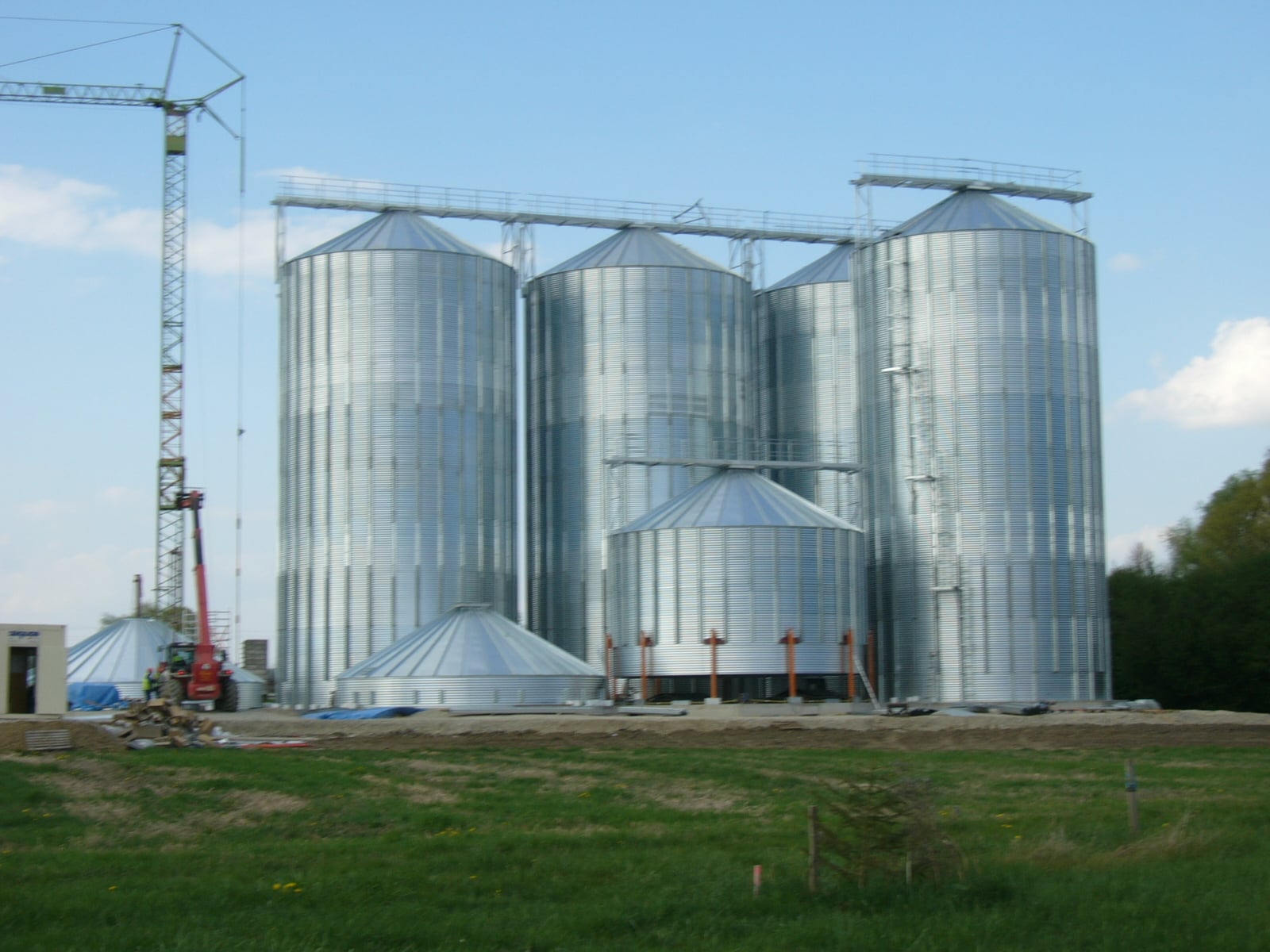
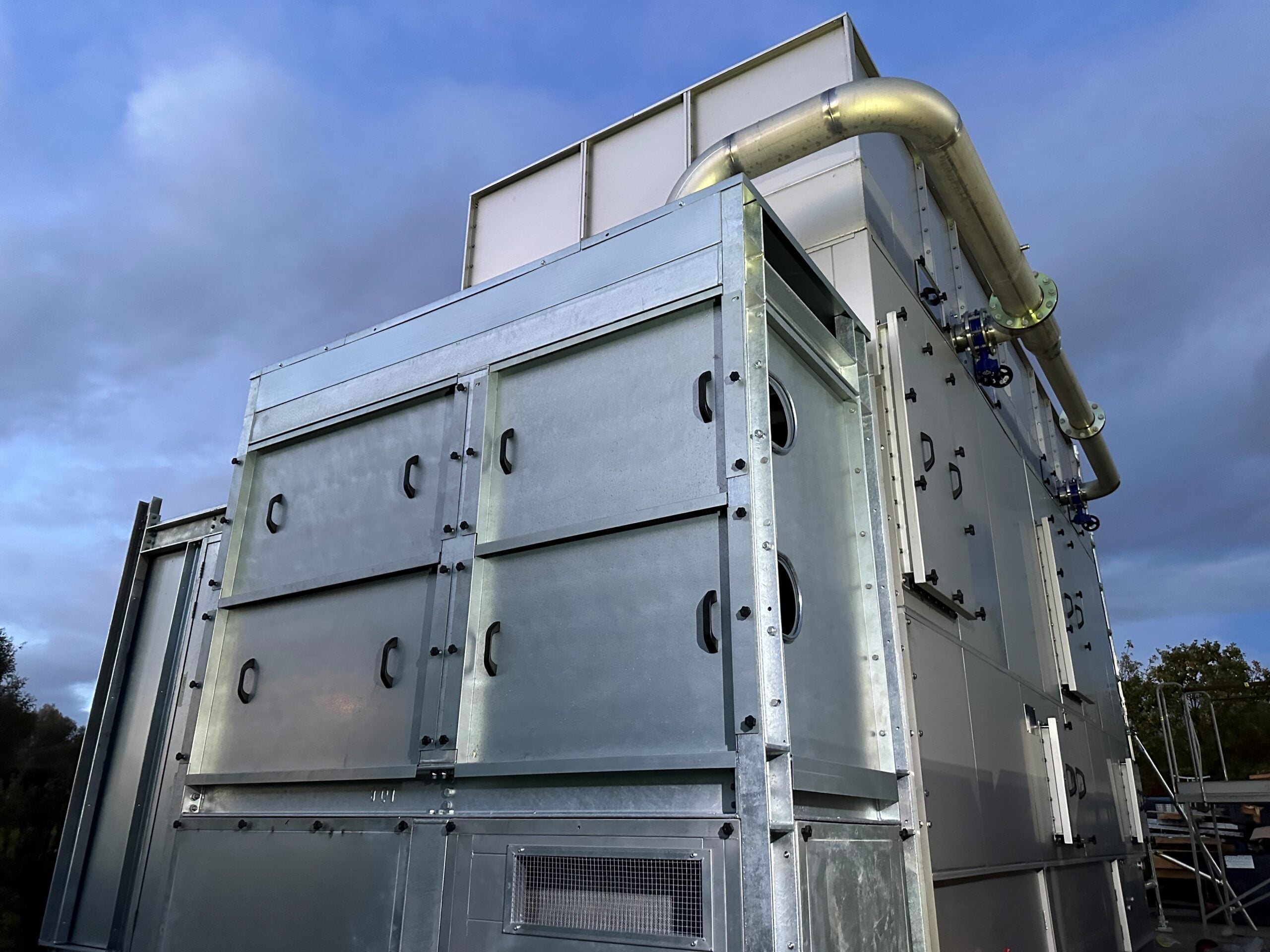
Our cylindrical Firestore® tanks are built for larger stored volumes on sites with room for a wider footprint. Where space is tight, the sectional Firetainer® works into restricted or irregular areas and builds vertically to hold the same volume in less floor area. Both are site assembled, so access is rarely a barrier. For the tightest plant rooms, our compact fire sprinkler tank uses the Firetainer® to reach up to 5.35m high. You can see the full range of fire sprinkler tanks in galvanised steel or marine alloy aluminium. Residential systems follow BS 9251 rather than BS EN 12845, which changes the volumes involved.
What Standards and Approvals Should a Sprinkler Tank Meet?
A sprinkler tank is a life safety asset, so certification matters as much as capacity. For commercial systems, the tank should support a design that meets BS EN 12845, and LPCB approval gives independent assurance that it meets the required standard. Our fire water storage tanks are LPCB approved and built for certified sprinkler systems. BAFSA, the British Automatic Fire Sprinkler Association, is the recognised UK body for sprinkler guidance and best practice.
These standards exist for a clear reason. According to BAFSA, sprinklers control or extinguish a fire in 99% of cases where they operate. A correctly sized, certified tank is part of keeping that reliability intact.
Getting Your Sprinkler Tank Sized Right
Sizing a sprinkler tank comes down to matching stored volume to system demand, then matching that volume to a tank that fits the site and holds the right approvals. Get those aligned and you have a compliant system with no wasted capacity.
Franklin Hodge sizes, supplies and installs LPCB-approved sprinkler tanks for commercial, industrial and residential sites across the UK and internationally. Tell us your system requirements and site constraints and speak to our team about your sprinkler tank so we can confirm the right specification.